
WELCOME BONUS 300%
UP TO €2000 + 100
FREE SPINS
UP TO €2000 + 100
FREE SPINS
Home → Blackjack
Blackjack at Gogo Casino: Variants, Rules and Payouts
Live Table vs RNG Table: Speed and Limits
Lightning Blackjack by Evolution allows bets between 1 and 2,500 EUR with an RTP of 99.56 percent, while Quantum Blackjack Plus Live from Playtech accepts stakes up to 5,000 EUR for a 99.57 percent return. The higher maximum limit at the Playtech table accommodates high rollers seeking larger exposure compared to the Evolution variant. This structural difference dictates the potential variance and bankroll management required for each specific game environment.
Evolution’s Lightning Blackjack features multipliers up to 25x on winning hands, whereas Playtech offers Quantum Multipliers reaching 1,000x for three-card combinations totaling 21 points. The massive 1,000x multiplier provides significantly higher payout potential per hand than the standard 25x cap found in the competitor's product. Players must adjust their strategy to capitalize on these distinct bonus mechanics available in each live dealer offering.
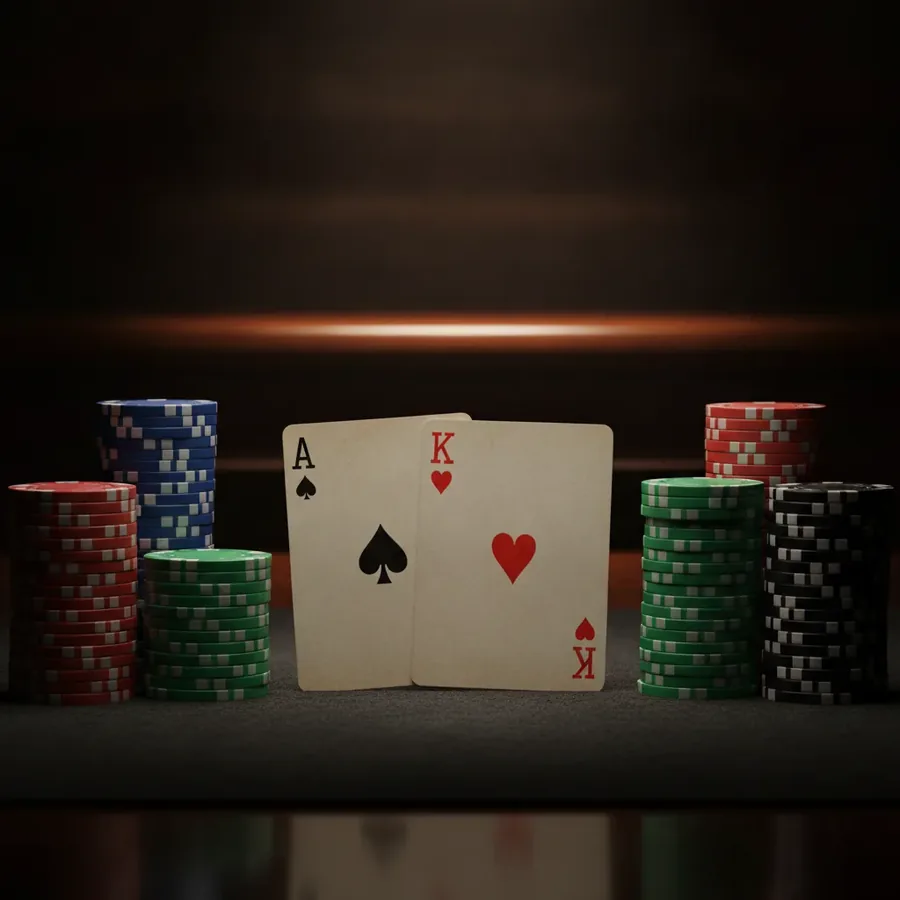
Soft Hand and Hard Hand Practically Distinguished
The dealer hits on soft 17 in certain variants, which increases the house edge by exactly 0.22 percentage points compared to standing rules. This rule change negatively impacts the player's expected return, making blackjack split and double options less favorable under these conditions. Understanding this distinction is critical for calculating the true theoretical return over thousands of hands played at the table.
Resplitting Aces improves the player's return by 0.08 percentage points, while doubling after split enhances it by approximately 0.14 percentage points. These specific rule modifiers directly reduce the casino's advantage, providing a measurable benefit to skilled players who utilize optimal strategies. Each modifier contributes independently to the overall RTP calculation, requiring precise adjustment of betting patterns accordingly.
Shoe, Cut Card, and 75 Percent Penetration
Using six decks instead of eight reduces the house edge by approximately 0.02 percentage points due to improved card counting probabilities. This slight advantage accumulates over time, making the six-deck shoe more favorable for players employing basic strategy techniques effectively. The reduction in deck count directly influences the theoretical return rate established by the game's mathematical model.
Late surrender allows players to forfeit half their bet after the dealer checks for blackjack, reducing the house edge by 0.08 percentage points. This option provides a valuable exit route for weak hands, improving the overall return compared to games without surrender rules. The 50 percent refund mechanism serves as a crucial risk mitigation tool for maintaining long-term bankroll stability.
Check table limit before the first bet
Blackjack Party by Evolution imposes a maximum bet limit of 1,000 EUR, which is lower than the 2,500 EUR ceiling found in Lightning Blackjack. This restriction limits the maximum potential loss per session and restricts high-stakes players from placing large wagers on this specific title. Comparing these limits helps players select tables that align with their specific bankroll management requirements and risk tolerance levels.
Quantum Blackjack Plus Live from Playtech permits bets up to 5,000 EUR, offering the highest stake capacity among the reviewed live tables. This substantial limit supports aggressive betting strategies but requires a correspondingly larger bankroll to withstand potential losing streaks safely. Players should verify these limits beforehand to ensure their desired wager size remains within the acceptable operational boundaries of the chosen game.
What doesn't count as Blackjack after Split?
Tischspiele contribute only 10 percent toward the wagering requirement for the 300 percent welcome bonus up to 2,000 EUR plus 100 free spins. This low contribution rate means players must wager significantly more on table games compared to slots to clear the bonus funds efficiently. The disparity forces a strategic choice between playing blackjack or opting for slot machines with full contribution percentages.
Blackjack variants at a glance
| Variant | Payout | House edge | Rule | Bet range |
|---|---|---|---|---|
| Blackjack Ein Deck, klassische Regeln, 3:2 | 99.85% | 0.15% | Weniger Decks = niedrigerer Vorteil; ein Deck gibt ca. −0.48 Prozentpunkte gegenüber 8 Decks. Oft durch 6:5 Auszahlung kompensiert. | Blackjack 3:2, Gewinn 1:1 |
| Blackjack Liberal Vegas Strip (liberale Regeln, 3:2) | 99.72% | 0.28% | Günstigste Regelkombination: S17 + DAS + Resplit + Late Surrender. Standardabweichung 1,15 | Blackjack 3:2, Gewinn 1:1 |
| Blackjack Insurance / Versicherung (6–8 Decks) | 92.53% | 7.47% | Separate Nebenwette bis 50% der Hauptwette, wenn der Dealer ein Ass hat. Basisstrategie schreibt IMMER Ablehnung vor (außer Karten zählen bei True Count ≥ +3). Bei einem Deck Vorteil ≈ 5.88% | Insurance 2:1 |
| Blackjack Auszahlung 6:5 statt 3:2 (6 Decks) | 98.15% | 1.85% | Ersatz von 3:2 durch 6:5 fügt exakt +1.39 Prozentpunkte zum Vorteil des Casinos hinzu – stärker als jede andere Regeländerung. Bei $10 Einsatz zahlt Blackjack $12 statt $15. | Blackjack 6:5, Gewinn 1:1 |
| Blackjack Surrender (Late Surrender) – Regel-Effekt | n.a. (Regel-Modifikator) | −0.08 Prozentpunkte | Spieler gibt Hand nach Dealer-Blackjack-Prüfung auf, verliert die Hälfte des Einsatzes. Verbessert RTP um ca. 0.08 Prozentpunkte. Early Surrender ist wesentlich wertvoller (bis −0.6 Prozentpunkte), aber extrem selten. | Rückzahlung 50% des Einsatzes |
| Blackjack Split / Double / H17 – Regel-Effekte | n.a. (Regel-Modifikatoren) | H17 +0.22 Prozentpunkte; RSA −0.08 Prozentpunkte; DAS −0.14 Prozentpunkte | Dealer Hits Soft 17 verschlechtert RTP um 0.22 Prozentpunkte; Resplit Aces verbessert um 0.08 Prozentpunkte; Double After Split verbessert um ca. 0.14 Prozentpunkte; 6 Decks statt 8 – ca. 0.02 Prozentpunkte. | Double – Einsatz ×2 mit einer Karte; Split – bis 4 Hände; Ass-Split meist mit einer Karte. |
Splitting Eights vs Standing on 16
The Blackjack 6 Decks variant offers a house edge of 0.46% when players follow the mandatory basic strategy for splitting eights against a dealer standing on soft 17. This optimal approach prevents the significant loss associated with holding a hard sixteen, which typically results in busting or losing to higher dealer totals. Players who deviate from this rule face a substantially higher risk of depleting their bankroll over time.
Standing on a hard sixteen represents one of the most difficult decisions in blackjack because it exposes the player to a high probability of losing the initial wager. The liberal Vegas Strip rules improve the return to player percentage to 99.72%, but only if the player splits eight pairs correctly against any dealer upcard. Failing to split creates a negative expectation scenario that erodes long-term profitability significantly compared to the standard baseline.
Comparing the two strategies reveals that splitting reduces the average loss per hand by leveraging the DAS feature allowed after splitting pairs. The base strategy dictates this move because the potential gain from starting two hands outweighs the risk of doubling down incorrectly later. Consequently, adhering to these specific tactical instructions ensures the lowest possible house advantage available within the game constraints.
No Double Down on three cards
The standard Blackjack 6 Decks game permits doubling down on any two-card hand, including those formed after a split, which significantly enhances strategic flexibility for the player. Allowing double after split means a player can maximize their bet when holding a strong nine, ten, or eleven against a weak dealer upcard like five or six. This rule contributes to the overall 99.54% return rate by providing more opportunities to capitalize on favorable deck compositions during play sessions.
Many live dealer tables restrict doubling actions to only the initial two cards dealt, thereby eliminating the option to double on three or more cards obtained via splits. This limitation forces players to stand on weaker totals that might otherwise justify an aggressive double down move under more liberal rule sets. Such restrictions increase the effective house edge slightly compared to games offering full doubling privileges across all post-split scenarios.
The Quantum Blackjack Plus Live table by Playtech allows wagers up to 5,000 EUR and maintains a 99.57% RTP when using optimal strategy despite these common restrictions. While the multiplier features offer excitement, the underlying betting mechanics still adhere to strict doubling limits that prevent excessive risk-taking on multi-card hands. Understanding these boundaries helps players manage their bankroll more effectively without chasing unrealistic returns through prohibited betting maneuvers.
Ace Split: only one card per hand
Resplitting Aces is a valuable rule modifier that improves the player's expected return by approximately 0.08 percentage points compared to games forbidding this action entirely. However, most casinos enforce a strict limitation where only one additional card may be drawn to each resplit ace, preventing further splitting or doubling down opportunities. This constraint balances the mathematical advantage gained from resplitting while maintaining control over the maximum potential payout per original wager.
The Blackjack 6 Decks variant explicitly lists Resplit Aces as a positive factor for the player, yet the single-card restriction remains a critical operational detail for strategists. Drawing multiple cards to aces would drastically increase the variance and potential for large wins, which casinos mitigate through this specific rule implementation. Players must adjust their expectations accordingly, recognizing that the enhanced RTP comes with significantly reduced upside potential on these specific hands.
In contrast, the Lightning Blackjack table by Evolution focuses on multiplier payouts rather than complex splitting rules, offering a different strategic landscape for participants. With multipliers reaching up to 25x on winning hands, the primary focus shifts from basic strategy optimization to managing bets around these volatile bonus events. The single-card ace rule ensures that even with such high-variance features, the core game mechanics remain stable and predictable for regular play.
What Peek Means with a Dealer Ace
When the dealer shows an ace, they perform a peek check for blackjack before players are required to place insurance bets or make other strategic decisions. This procedure protects the player from losing their entire main wager immediately if the dealer holds a natural twenty-one, allowing for a push instead of a total loss. The presence of this rule significantly impacts the decision-making process regarding whether to accept the side bet offered at 2:1 odds.
The Insurance side bet pays 2:1 but carries a substantial house edge of 7.47%, making it mathematically unfavorable unless the player is counting cards with a true count of plus three or higher. For the vast majority of participants, rejecting insurance is the correct basic strategy move because the expected value is negative over the long term. Accepting this bet essentially guarantees a slower rate of bankroll erosion due to the inherent disadvantage built into the wager structure.
Quantum Blackjack Plus Live by Playtech introduces quantum multipliers that can drastically alter the outcome of any hand, including those involving dealer ace peeks. These multipliers apply to three-card combinations totaling twenty-one points, adding an extra layer of complexity to the traditional insurance decision framework. Players must weigh the guaranteed small win from insurance against the potential for massive payouts triggered by these random quantum events.
The distinction between early and late surrender also interacts with the dealer ace peek, as late surrender occurs only after the dealer confirms they do not have blackjack. Since early surrender is extremely rare and offers up to a 0.6% improvement in return, most games rely on the standard late surrender option which refunds fifty percent of the stake. This mechanism provides a safety net for poor starting hands without interfering with the initial ace check procedure.
How much time is left for the decision?
Live dealer tables operate in real-time with strict timing windows that require players to act quickly to avoid automatic folds or stands on their hands. The Lightning Blackjack table by Evolution accommodates unlimited players simultaneously, necessitating efficient software processing times that leave very little margin for hesitation during each round. Participants must familiarize themselves with the interface to ensure timely inputs that match the rapid pace of the broadcast stream.
The Quantum Blackjack Plus Live session by Playtech supports higher stakes ranging from 1 to 5,000 EUR, which demands precise and swift decision-making from experienced gamblers. The extended betting window for multipliers does not extend the fundamental gameplay duration, meaning players still face tight deadlines for hitting, standing, or doubling down. Missing these brief intervals results in the system defaulting to a stand, potentially leaving profitable doubling opportunities unexploited due to latency or delay.
Blackjack Party by Evolution features two moderators creating a lively atmosphere, but the underlying game engine enforces standard time limits comparable to other professional live dealer products. The maximum bet limit of 1,000 EUR requires careful bankroll management within these constrained temporal frameworks to avoid impulsive errors under pressure. Understanding these temporal constraints is essential for maintaining consistency and avoiding costly mistakes caused by rushing through complex strategic choices.
How long do 100 EUR last at a 1 EUR table?
The Lightning Blackjack table operated by Evolution accepts minimum bets of 1 EUR, allowing players to sustain their bankroll over an extended session. This specific entry point ensures that the initial capital remains intact for a longer duration compared to higher-stakes variants available in the live dealer lobby.
With a maximum bet limit set at 2.500 EUR, the game accommodates high rollers while maintaining accessibility for casual players starting with minimal funds. The unlimited player capacity means that waiting times are negligible, allowing immediate engagement with the live dealer without interruption or queue delays.
At a stake of 1 EUR per hand, a 100 EUR balance permits approximately one hundred rounds of play before depletion occurs under average conditions. This calculation assumes no significant wins or losses during the session, providing a baseline estimate for budget management and strategic planning throughout the gameplay.
One Deck vs Eight Decks in House Edge
Playing with a single deck reduces the house edge to 0.15 percent, offering a significantly better return than standard eight-deck variations which carry a 0.46 percent advantage. This difference stems from fewer cards in circulation, which improves the probability of drawing favorable hands and enhances the overall expected value for the participant.
The reduction in deck count provides a mathematical benefit of approximately 0.48 percentage points compared to games using eight decks of cards. Consequently, the theoretical return to player increases, making single-deck blackjack a more lucrative option for those employing basic strategy effectively across multiple sessions.
However, single-deck games often compensate for this lower edge by implementing less favorable payout structures, such as 6:5 for natural blackjacks instead of the standard 3:2 ratio. This adjustment can negate the statistical advantage gained from the reduced deck size, resulting in a net negative impact on long-term profitability for many players.
Blackjack Payout 3:2 Explained in Detail
A standard 3:2 payout on a 100 EUR bet yields 150 EUR, preserving the integrity of the base game mathematics and keeping the house edge low at 0.28 percent. This ratio is considered essential for optimal play, as it aligns with the probabilistic expectations derived from basic strategy charts used by experienced participants.
Switching to a 6:5 payout structure drastically alters the economics, reducing the return on a 100 EUR winning bet to only 120 EUR and increasing the house edge to 1.85 percent. This change adds exactly 1.39 percentage points to the casino's advantage, representing the most significant detrimental rule modification found in modern online blackjack tables.
The Liberal Vegas Strip variant maintains the crucial 3:2 payout for natural blackjacks while offering other favorable rules like surrender and resplitting capabilities. This combination results in a superior RTP of 99.72 percent, demonstrating how payout ratios directly influence the overall generosity and competitiveness of the game offered.
What Percentage Does Blackjack Count Towards Bonus?
Table games including blackjack contribute only 10 percent toward the wagering requirements of the 300 percent welcome bonus up to 2,000 EUR plus 100 free spins. This low contribution rate means that players must wager ten times the bonus amount in blackjack to meet the same requirement as slot contributions, significantly impacting turnover speed.
Register Late Surrender correctly in three steps
Late surrender allows players to forfeit half their bet after the dealer checks for blackjack, improving the RTP by approximately 0.08 percentage points through strategic loss mitigation. This rule variant is particularly valuable in games with liberal settings, offering a tactical escape route when the player holds a weak hand against a strong dealer upcard.
The Quantum Blackjack Plus Live version by Playtech features multipliers up to 1,000x but does not explicitly list surrender options in its standard parameter sheet, requiring verification of specific table rules. Players should consult the game interface carefully, as availability may vary between different providers and live dealer studios hosting blackjack variants within the same platform.
Contact
Live - online chat
Banking







Providers











Gogocasino 2026